The first useful thing to do aboard is not to find the perfect photograph. It is to understand the ship well enough to relax. Locate your seat or cabin, notice the nearest signed escape route, and listen to the safety information. Check which passenger areas are open and where you can move without obstructing boarding. Once those basics are settled, the crossing becomes less of a puzzle and more of a place.
Find a view that suits the day
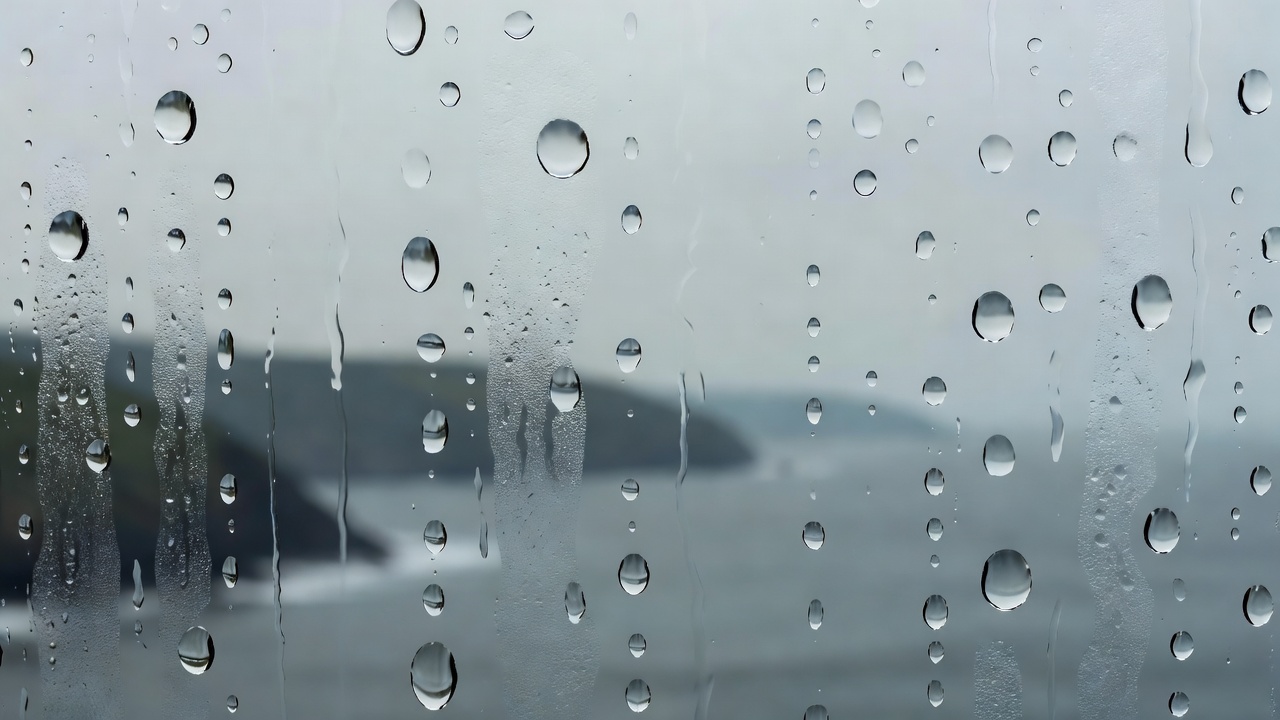
There is no universally best side of a ferry. The route’s direction, harbour manoeuvres, light and weather all affect the view, and the ship may turn before departure. An indoor window can be more useful than an exposed deck in strong wind or rain. If you want to watch a particular headland, consult a map beforehand, then remain willing to change position when permitted. Comfort often produces better observation than stubbornness.
Conventional ferries may offer several lounges and outdoor areas, while fast passenger craft may keep passengers seated indoors for much of the crossing. Even on a vessel with an outside deck, access can be restricted because of conditions or operations. Treat that as a normal part of travelling at sea, not a failed sightseeing service. The operator’s vessel information can help set expectations, but the crew’s instructions on the day take precedence.
Watch the departure in small pieces
A port departure is a sequence of changes. The gangway is withdrawn, the mooring arrangement changes, and the ship begins to separate from a fixed edge. Watch from public passenger spaces, well away from ropes and restricted working areas. A rope under load is not a photographic prop. Deck machinery, vehicle ramps and crew access routes must remain clear regardless of how interesting they look.
Notice the sounds as well as the view: the shift in vibration, an announcement becoming harder to hear outside, the harbour noise fading behind the wake. Look back at the terminal once the ship is clear and you may understand its layout better than you did while searching for check-in. These details make even an overcast crossing distinctive. They do not depend on a dramatic mountain or a perfect sunset.
Settle into the middle of the passage
Open water asks for a different kind of attention. The scene may change slowly, and that is part of its value. Read, eat, talk quietly or simply follow the horizon. On longer routes, check opening times for food service rather than assuming that everything will remain available throughout. Carry drinking water and any essential snacks within the operator’s rules, especially if dietary needs make an improvised meal difficult.
If you are sensitive to motion, choose a comfortable place, take breaks from close screen work and seek appropriate professional advice about prevention before travelling. Do not assume that a route described as sheltered will feel calm on every sailing. Wind direction, swell and the particular vessel matter. If you feel unwell or need assistance, tell the crew rather than trying to manage in an isolated corner or restricted area.
Photograph the passage without missing it
Windows create reflections, fingerprints and occasional colour casts. Moving slightly or shading the lens with your hand can help, provided you do not block someone else’s view. Never lean beyond rails, place equipment where it can fall, or use a passageway as a tripod position. Secure loose items on an outside deck. A modest camera or phone used safely is more valuable than an elaborate setup that makes moving around difficult.
Ask before making identifiable fellow passengers the subject of a photograph, and be considerate around children. Do not photograph security-sensitive operations where restrictions apply. Wildlife may appear, but sightings are neither predictable nor a reason to crowd a rail. Use distance and patience rather than feeding or disturbing animals. Sometimes the best record is a short note about the light or the shape of an island.
Give the arrival its own attention
As land returns, details arrive in layers: a ridge, a cluster of buildings, a lighthouse, then individual people on the quay. Enjoy the approach without delaying your own disembarkation preparations. Follow announcements about returning to vehicles, vacating cabins and gathering belongings. Keep stairs, doors and exits clear. Passengers leaving promptly help the ship function for everyone continuing or boarding next.
Carry the experience ashore with one useful observation rather than a checklist of everything you failed to see. Perhaps the harbour was quieter than expected, or the best window was away from the main lounge. If you share a passage note, distinguish that personal experience from a rule about every sailing. Finish by following the connection plan you prepared before departure.